garage door services Explained in Fewer than 140 Characters
How to Repair Garage Door Stuck Issues During Operation?
If your garage door is stuck during operation, it can be frustrating and potentially hazardous. Understanding the causes, diagnostic steps, repair techniques, and preventative maintenance can save you time, money, and ensure safe functionality. This comprehensive guide will walk you through identifying common problems, safely diagnosing the issue, executing basic repairs, knowing when to seek professional help, and maintaining your garage door to avoid future stuck door problems.What Are the Common Causes of a Garage Door Getting Stuck?
A garage door can become jammed or stuck due to a variety of mechanical failures or physical obstructions. Identifying the root cause is essential for effective repair. Here are the most frequent reasons for a stuck door:
- Obstruction in Tracks or Rollers: Dirt, debris, or damage within the rollers or tracks can cause them to misalign or jam, preventing smooth door movement.
- Damaged or Broken Springs: Torsion springs and extension springs provide the necessary tension for lifting. If these springs lose tension or break, the door may stop responding or get stuck halfway.
- Worn or Broken Cables: The lift cables support the weight of the door. Frayed or snapped cables can halt door operation abruptly.
- Misaligned Tracks or Hinges: Bent or out-of-alignment tracks and hinges create friction that causes the door panels to stick or jam during movement.
- Weather Seal Issues: The weather seal along the base or sides of the door may swell, harden, or become damaged due to temperature changes, restricting door movement against the door frame.
- Physical Obstructions: Objects blocking the door path inside or outside the garage can physically prevent the door from opening or closing fully.
Understanding these potential causes helps homeowners systematically approach the repair process with safety and efficiency.
How Can I Safely Diagnose a Stuck Garage Door?
Proper diagnosis is crucial before attempting any repairs, especially because garage doors contain high-tension components and electrical parts. Follow these safe steps to identify why your garage door is stuck:
- Engage the Manual Release: Pull the emergency manual release cord to disconnect the door from the opener. This allows you to check if the door moves freely by hand. Smooth manual movement indicates the opener may be the fault; resistance points to mechanical issues.
- Inspect Safety Sensors: Photo eyes or safety sensors on either side near the door bottom detect obstructions and prevent closure if misaligned or dirty. Clean the sensor lenses with a dry cloth and verify their alignment.
- Check for Door Obstruction: Visually examine the tracks, rollers, and surrounding door frame for dirt, debris, or foreign objects that might block door movement.
- Review Opener Diagnostics: Modern garage door openers often have diagnostic lights or error codes that can indicate motor malfunctions, control board issues, or wiring faults. Consult your opener’s manual to interpret these signals.
- Examine Wiring and Remote Controls: Inspect all wiring connections for damage or looseness. Test the wall-mounted wired control to determine if the problem lies with remote controls or wireless settings.
Important: Always disconnect power to the door opener before inspecting electrical parts to avoid accidental activation or electrical shock.
What Steps Can I Take to Fix a Garage Door That’s Stuck?
After diagnosing the problem, undertake the following practical repair steps to restore smooth door operation. Incorporate lubrication, adjustments, and replacements as needed:
- Clean and Lubricate Tracks and Rollers: Thoroughly clean tracks using a brush to remove dirt and grit. Apply a silicone-based lubricant specifically designed for garage doors to rollers, hinges, and tracks to reduce friction and ease movement.
- Realign Tracks: Loosen the bolts securing the tracks, carefully tap them back into proper alignment using a rubber mallet or level, then retighten the bolts. Proper alignment ensures smooth roller travel without jamming.
- Adjust or Replace Springs: Adjust torsion or extension spring tension only if you are knowledgeable and equipped with the proper winding bars, as springs hold extreme tension. If springs are broken, replacement is necessary; this task is best left to professionals due to safety risks.
- Replace Worn Rollers: Inspect rollers for wear, cracks, or noise during operation. Noisy or damaged rollers should be replaced to prevent jamming and reduce friction.
- Inspect and Maintain Drive System: Check the condition and tension of the chain drive, belt drive, or screw drive mechanisms on the motor unit. Tighten the chain or belt if loose, or replace worn drive gears to ensure consistent door movement.
- Test Door Balance: Disconnect the opener and manually lift the door about halfway. A balanced door should stay in place without falling or rising. If it doesn’t, springs likely need adjustment or replacement.
Note: Never force a stuck garage door as excessive force can cause irreparable damage or injuries.
When Should I Call a Professional for Garage Door Repairs?
Although many minor repairs can be DIY, certain garage door problems require expert knowledge and tools to ensure safety and lasting solutions. Consider engaging a professional in the following situations:
- Handling Torsion Springs: These springs store significant tension that can cause serious injury if mishandled.
- Replacing Cables or Safety Cables: Incorrect installation may cause the door to fall suddenly, posing harm to people and property.
- Complex Motor or Control Board Issues: Electrical faults or motor malfunctions involving the control board require specialist diagnostics and repair.
- Structural Damage: Bent door panels, broken reinforcement struts, or compromised door frames necessitate professional repair to maintain door integrity.
- Persistent Problems after Basic Repairs: If the door continues to jam despite your efforts, underlying mechanical or electrical problems may be present that require expert attention.
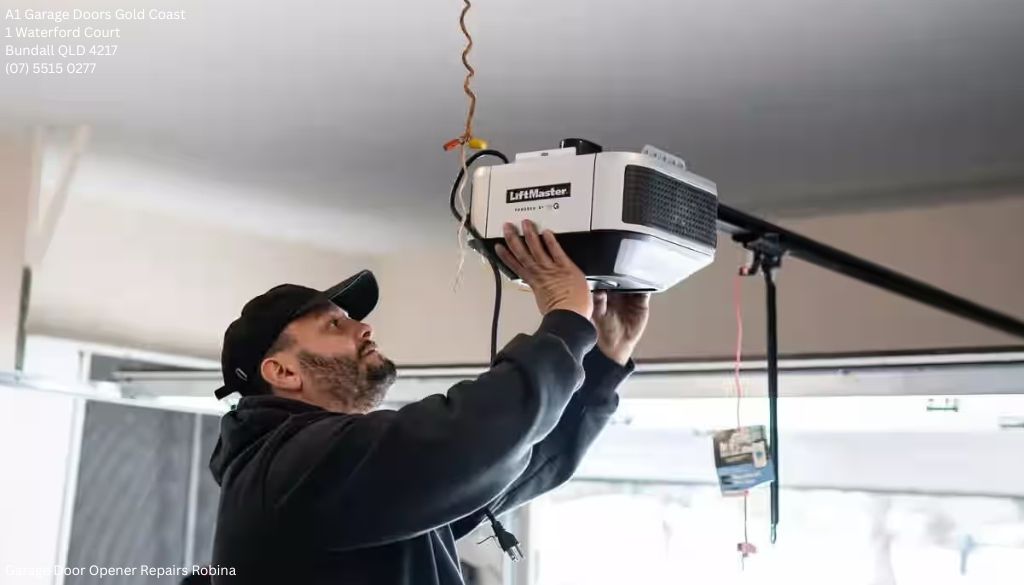
Licensed garage door technicians bring experience, proper tools, and safety protocols for effective repairs that increase the longevity and reliability of your garage door system.
How Can I Prevent Garage Door Stuck Issues in the Future?
Regular maintenance is the cornerstone of preventing jammed or stuck garage doors. Routine care not only prolongs door life but also enhances safety and smooth operation. Follow these tips to keep your door running optimally:
- Lubricate Moving Parts Biannually: Apply silicone-based lubricants every six months to rollers, hinges, springs, and pulleys to reduce friction and wear.
- Clean Tracks Frequently: Keep tracks free from dirt and debris which can cause rollers to jam or derail.
- Test Door Balance Annually: Balanced doors place less strain on springs and the opener, reducing the risk of sticking or malfunctioning.
- Inspect and Replace Weather Seals: Prevent moisture absorption and swelling by checking weather seals regularly and replacing them when worn or hardened.
- Adjust Opener Settings: Fine-tune sensitivity, door speed, and limit switches according to your garage door opener manufacturer guidelines to optimize performance and reduce stress on mechanical parts.
- Maintain Safety Sensors: Periodically clean photo eyes and ensure proper alignment to avoid false obstruction detection that stops door movement unnecessarily.
- Replace Batteries in Wireless Controls: Keep garage door remotes, keypads, and battery backups fully charged or replaced to guarantee reliable access.
Consider scheduling a professional inspection annually to catch any emerging issues early and maintain compliance with garage door safety standards.
How Do Garage Door Openers Affect Door Sticking Problems?
The garage door opener is a critical component that controls door movement. Malfunctions or settings issues in the opener can contribute to a stuck door. Key factors include:
- Garage Door Opener Arm: Misaligned or damaged opener arms can cause uneven door movement and jamming.
- Limit Switch Settings: Incorrectly adjusted limit switches can cause the door to stop prematurely or fail to close/open completely.
- Control Board and Wiring: Electrical faults in the control board or damaged wiring can lead to intermittent or stuck door responses.
- Drive Mechanisms: Chain drives, belt drives, or screw drives need regular maintenance; worn belts or chains reduce efficiency and may cause jams.
- Wireless Controls and Keypads: Battery depletion or signal interference can affect remote door operation, sometimes causing the door to freeze mid-cycle.
- Opener Diagnostics: Many modern openers include self-diagnostic features that help identify specific faults causing stuck door conditions.
Proper opener maintenance and correct settings adjustment are essential to smooth, reliable garage door function.
garage door servicesWhat Are the Safety Precautions When Repairing a Garage Door?
Garage doors are heavy, tension-loaded assemblies with electrical components, so safety is paramount. Always follow these precautions:
- Use the Manual Release Wisely: Don’t operate the door manually when unsure of spring tension status, and always disengage the opener when inspecting the door.
- Avoid Direct Handling of Torsion Springs: These are under high tension that can cause serious injury if released improperly.
- Inspect Safety Cables: Ensure safety cables are installed on extension springs to prevent snapping parts from causing harm.
- Disconnect Power Before Repairs: Turn off electrical power to the opener before working on wiring or motor components to avoid electric shock or sudden door movement.
- Beware of Photo Eyes and Sensors: Avoid damaging safety sensors during cleaning or adjustment as they prevent accidents by stopping door closure when obstructions are detected.
- Keep Tools and Hands Clear: Avoid placing hands, fingers, or tools near moving parts, pulleys, and hinges while testing or operating the door.
Following these precautions prevents accidents and ensures a safer repair process.
What Tools and Materials Are Needed for Basic Garage Door Repairs?
For most DIY garage door maintenance and basic repairs, the following tools and materials are essential:
- Lubricants: Silicone-based sprays or garage door-specific lubricants for reducing friction on rollers, hinges, tracks, and springs.
- Socket Set and Screwdrivers: To loosen and tighten track bolts, hinge screws, and opener mounts.
- Winding Bars: Specialized tools for safely adjusting torsion spring tension (only for those experienced in spring handling).
- Pliers and Wrenches: Useful for cable and hardware adjustments or replacements.
- Level: For ensuring correct track and door panel alignment.
- Cleaning Brushes: To remove debris from tracks and rollers.
- Replacement Rollers and Springs: Having compatible spare parts can speed up repair work.
Equipping yourself with these tools makes most routine garage door fixes manageable and efficient.
Frequently Asked Questions
- Q1: Why is my garage door stuck halfway open? A: This typically indicates spring tension issues, door imbalance, or a track obstruction. Broken springs or misaligned panels can prevent full opening.
- Q2: Can I repair broken garage door springs myself?
A: It is strongly advised not to attempt this. Torsion springs are under extreme tension and require professional handling to avoid serious injury.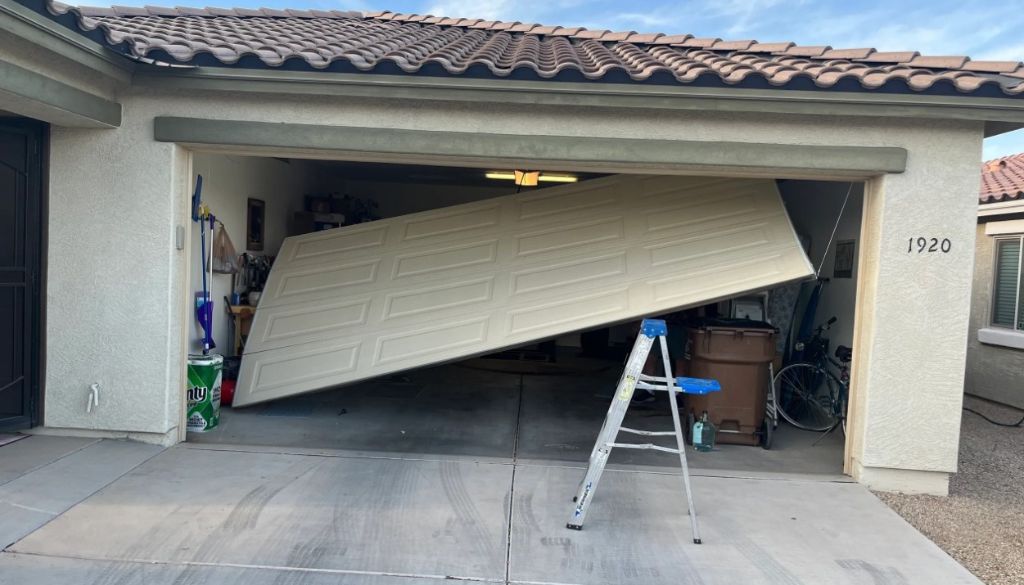
- Q3: How often should I maintain my garage door to prevent sticking? A: Conduct maintenance every 6 to 12 months, including lubrication, cleaning, and inspection of moving parts for best results.
- Q4: What role do safety sensors play in a stuck garage door? A: Safety sensors detect obstructions on the door path and prevent closure. Misaligned or dirty sensors may falsely trigger the door to stop, mimicking a stuck condition.
- Q5: Can weather conditions cause my garage door to stick? A: Yes, extreme cold or moisture can cause seals to swell or metal components to contract/expand, leading to stiffness or freezing of moving parts.
Conclusion
Repairing a garage door that gets stuck during operation involves careful diagnosis, basic mechanical repairs, and adherence to safety guidelines. Common causes like misaligned tracks, worn rollers, damaged springs, or opener faults must be addressed methodically. While some maintenance and minor fixes can be handled by homeowners, dangerous components such as torsion springs or complex electrical issues warrant professional intervention. Regular garage door maintenance including lubrication, balance testing, and cleaning plays a vital role in preventing future stuck door issues. By following this guide, you can confidently troubleshoot and maintain your garage door, ensuring safe, smooth, and reliable operation for years to come.