No Time? No Money? No Problem! How You Can Get garage door sensor repair With a Zero-Dollar Budget
How to Repair Garage Doors for Vaulted Ceilings in 2025
Garage doors installed in vaulted ceiling garages present unique challenges that require careful inspection, precise adjustments, and sometimes specialised repair techniques. Whether you’re an experienced DIY enthusiast or considering professional help, understanding the nuances of repairing garage doors on vaulted ceilings is essential for safety, functionality, and longevity. This guide explains everything you need to know about maintaining and repairing your vaulted ceiling garage door effectively.What Are the Unique Challenges of Repairing Garage Doors on Vaulted Ceilings?
Vaulted ceiling garages differ significantly from traditional flat-ceiling setups. The angled or higher roofline demands special considerations for garage tracks, ceiling mounts, and opener installations. Unlike standard overhead doors, the garage tracks must be installed on both vertical and sloped surfaces, requiring unique ceiling brackets and roller brackets designed for angled mounting.
The increased height also affects the positioning and operation of the garage door motor, which needs secure fixation using a suitable ceiling mount. Door panel weight distribution varies, making precise track alignment and properly balanced garage door springs like torsion springs or extension springs critical for smooth operation.
Access to components such as cable drums and spring assemblies can be more complex due to height constraints and the sloped ceiling design, demanding extra care during repair. These factors highlight why vaulted ceiling garage doors require tailored repair approaches compared to conventional models.
How Do You Safely Inspect a Garage Door Installed on a Vaulted Ceiling?
A thorough and safe inspection is the first step before any repair work. Begin by disengaging the garage opener using its manual release mechanism to operate the door manually, reducing the risk from automatic motor movement.
Inspect all door panels meticulously for dents, warping, or damage. Check rollers and hinges for signs of wear or corrosion, which can impair smooth movement along the tracks. Look closely at the cables for any frayed strands or breaks, as damaged cables pose safety hazards.
Test the door balance by lifting the door halfway; it should stay in place without assistance, indicating correct spring tension. If it rises or falls, tension adjustment might be necessary. Aligning door sensors and checking the safety sensor alignment is especially important in vaulted ceilings where unusual angles may cause sensor misalignment.
Due to the increased height, use a stable ladder or scaffolding and ensure all safety measures are in place to reach elevated parts safely.
What Tools and Materials Are Needed to Repair Garage Doors on Vaulted Ceilings?
Repairing garage doors on vaulted ceilings requires specialised tools and materials adapted to working at heights and managing complex hardware. Essential tools include:
- Spring winding bars for safe manipulation of torsion springs
- Adjustable wrenches, pliers, and screwdriver sets for hardware adjustments
- A sturdy ladder or scaffolding capable of safely reaching ceiling mount points
- Safety gear including goggles and gloves to protect against debris and accidental injury
- Lubricant spray for smooth operation of rollers, hinges, and tracks
Replacement parts may include garage door springs, roller brackets, weather seals, cables, and components for the garage door motor if electrical issues arise. Having the correct parts and tools ensures efficient and safe repair, especially in the challenging environment of vaulted ceiling garages.
How to Adjust the Tension of Garage Door Springs in Vaulted Ceiling Installations?
Correct garage door tension from springs is vital for balanced and quiet door operation. For vaulted ceilings, the process requires extra precision given the altered geometry and increased door height.
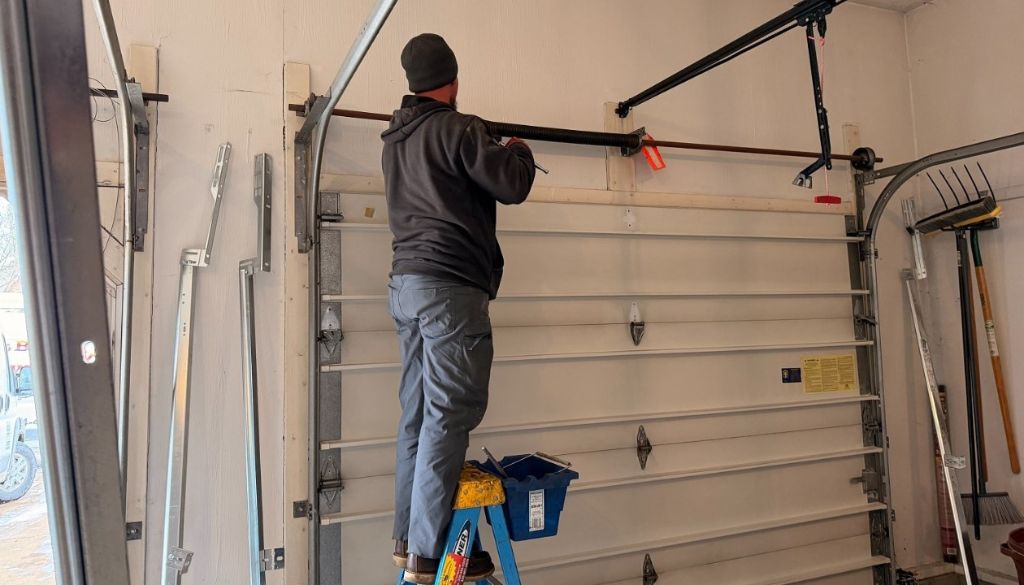
Torsion springs are usually installed above the door on a shaft and can be adjusted by carefully winding or unwinding using appropriate spring winding tools. Follow manufacturer specifications strictly, considering the door’s weight and panel count. Incorrect winding can lead to dangerous situations or premature spring failure.
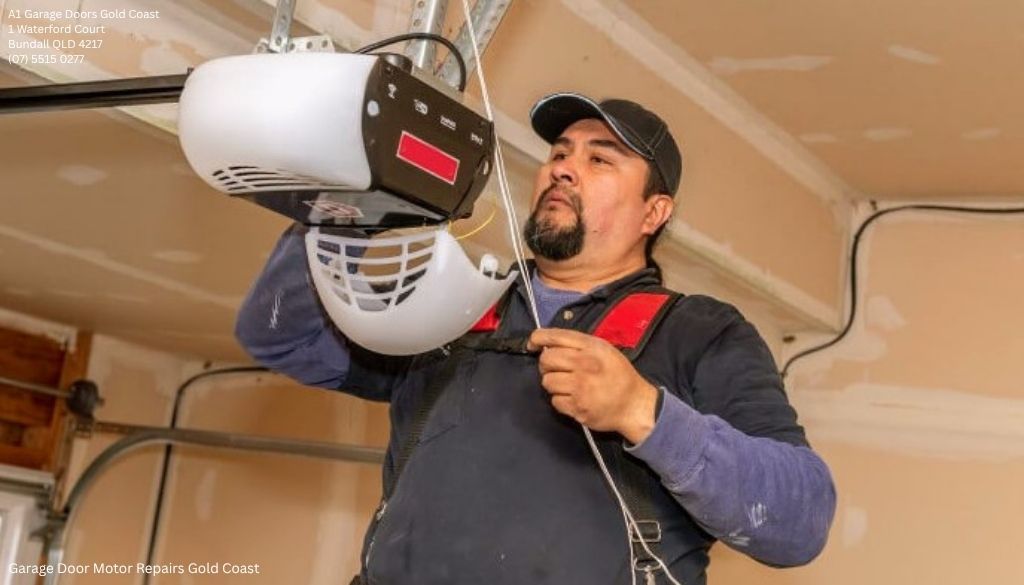
Extension springs, mounted along the horizontal tracks, should be inspected for wear and tension adjusted by repositioning in the mounting brackets to modify the stretch length. Due to the difficulty of reaching these components in vaulted ceiling configurations, this task may require professional assistance to avoid injury and ensure proper calibration.
Always check the lift cables and cable drums for signs of wear, as they work in tandem with springs to counterbalance the door’s weight.
How Do You Align Garage Door Tracks in Vaulted Ceiling Garages?
Misalignment of garage tracks can cause noisy operation, garage door sensor issues goldcoastgaragedoorrepair.com.au roller binding, or door jamming. Vaulted ceiling garages have angled vertical tracks and horizontal tracks installed on sloped surfaces, requiring dedicated ceiling brackets and custom fitting.
To align tracks correctly:
- Begin by loosening fasteners on roller brackets and ceiling brackets to allow slight adjustments.
- Use a spirit level to check that all tracks are straight and parallel, adjusting for the slope of the ceiling.
- Ensure all rollers run freely within the tracks without excessive wiggle or resistance.
- Tighten all bolts securely once correct positioning is confirmed.
Proper track alignment is crucial to extend the life of rollers and springs while maintaining smooth garage door operation despite the vaulted ceiling’s structural complexities.
What Are Common Garage Door Opener Issues with Vaulted Ceiling Installations and How to Fix Them?
Vaulted ceilings necessitate alternative mounting locations for the garage opener, which can create challenges affecting opener performance. Common issues include:
- Chain slack or excessive tension on the opener chain causing noisy or jerky motion
- Failure of the garage door motor due to overheating or wear
- Misalignment of remote receiver or safety sensors caused by unusual ceiling angles
- Faulty electronics in the control board leading to unresponsive remote controls or keypads
To resolve these problems: adjust the chain tension according to opener garage door sensor repair manufacturer instructions, inspect and test the electric motor for faults, and realign the remote receivers and door sensors. In some cases, upgrading to a ceiling or wall-mounted opener purpose-built garage door sensor open or closed for vaulted ceilings improves reliability.
Our Sponsor
A1 Garage Doors Gold Coast
A1 Garage Doors Gold Coast is a Bundall-based garage door specialist serving the southern Gold Coast and surrounding suburbs with installation, repair, maintenance, and emergency garage door services. The company specializes in sectional doors, roller doors, garage door openers, spring and cable replacement, opener motor repair, smart-enabled installations, and 24/7 emergency call-outs across Robina, Burleigh Heads, Surfers Paradise, Nerang, Coomera, and the wider Gold Coast region.
Address:
1 Waterford Court,
Bundall,
QLD
4217,
Australia
Phone: (07) 5515 0277
Business Hours:
- Open 24/7 — Including After-Hours and Emergency Call-Outs
Follow Us:
How to Maintain Weather Sealing and Insulation on Garage Doors with Vaulted Ceilings?
Maintaining effective door weatherstripping and garage door insulation is vital for energy efficiency and weather protection, especially with larger door areas common in vaulted ceiling garages.
Regularly inspect weather seals around the door perimeter and replace any cracked or compressed sections to prevent drafts. Consider installing upgraded insulation panels on door sections to reduce thermal transfer and increase comfort.
Check the condition of door stops to prevent over-extension that can damage seals or hinges. Routine cleaning and application of lubricant on moving seals prolong their effectiveness.
This maintenance not only helps reduce energy costs but also protects your garage interior from moisture and dust ingress.
When Should You Call a Professional for Repairs on Vaulted Ceiling Garage Doors?
local community guideWhile minor repairs like lubrication or replacing weather stripping can be done DIY, many repair tasks demand professional expertise due to the complexity and safety risks inherent in vaulted ceiling garage doors.
Contact a certified garage door technician if you encounter:
- Broken or worn garage door springs requiring replacement
- Major track alignment issues that affect door travel
- Malfunctioning garage door motors or electronic control boards
- Persistent door imbalance or safety sensor failures
- Difficulty accessing high mounting points safely
Professionals bring specialised tools and experience working around vaulted ceilings, ensuring repairs are safe and conform to building codes and standards.
How to Upgrade Your Vaulted Ceiling Garage Door for Better Performance and Safety?
Enhance your vaulted ceiling garage door by adopting modern hardware upgrades:
- Install advanced safety sensors designed for angled ceiling layouts to ensure reliable obstruction detection
- Add a smart garage door keypad for convenient, secure access without remotes
- Upgrade to a quieter, more powerful garage door motor tailored for overhead and sloped installations
- Improve insulation and replace worn weather seals to boost energy efficiency
- Replace old roller brackets and hinge brackets with durable, low-friction components
These improvements increase safety, convenience, and the lifespan of your garage door system while accommodating the specific demands of vaulted ceiling architectures.
Frequently Asked Questions About Vaulted Ceiling Garage Door Repairs
Q1: Can I repair a vaulted ceiling garage door myself?
A1: Minor tasks such as lubricating rollers or replacing weather seals are suitable for DIY. However, springs, motors, and track realignments often require professional expertise due to complex mounting and safety considerations unique to vaulted ceilings.
Q2: How do I know if my garage door springs need replacing?
A2: Replacement is warranted if you spot rust, visible breakage, noisy operation, or if the door becomes difficult to open manually or does not stay balanced when lifted halfway. Vaulted ceiling doors may experience extra strain, so regular inspection is essential.
Q3: Why is my garage door opener malfunctioning with a vaulted ceiling?
A3: Issues frequently arise from sensor misalignment caused by non-standard mounting angles, incorrect chain or belt tension, or motor wear. Ensuring the opener is installed with hardware designed for vaulted ceilings and recalibrating sensors usually resolves these problems.
Q4: How often should garage door maintenance be done?
A4: A thorough inspection and lubrication twice per year keep the door operating smoothly. Conduct full checks of springs, cables, sensors, and hardware annually to maintain safety and prevent costly repairs.
Q5: Are there special garage door openers for vaulted ceilings?
A5: Yes, certain models feature adaptable mounting brackets and longer drive systems that accommodate the height and angle variations of vaulted ceilings, enabling reliable and quiet operation.
Maintaining and repairing garage doors on vaulted ceilings involves unique challenges requiring proper knowledge, specialised tools, and careful attention to detail. By following these guidelines, you can confidently troubleshoot issues, perform safe inspections, and decide when professional repairs are necessary. Upgrading your garage door system further enhances performance, security, and energy efficiency, ensuring your vaulted ceiling garage remains functional and safe well into the future.